Why 2026 Is Officially the Era of EV Bikes in Pakistan
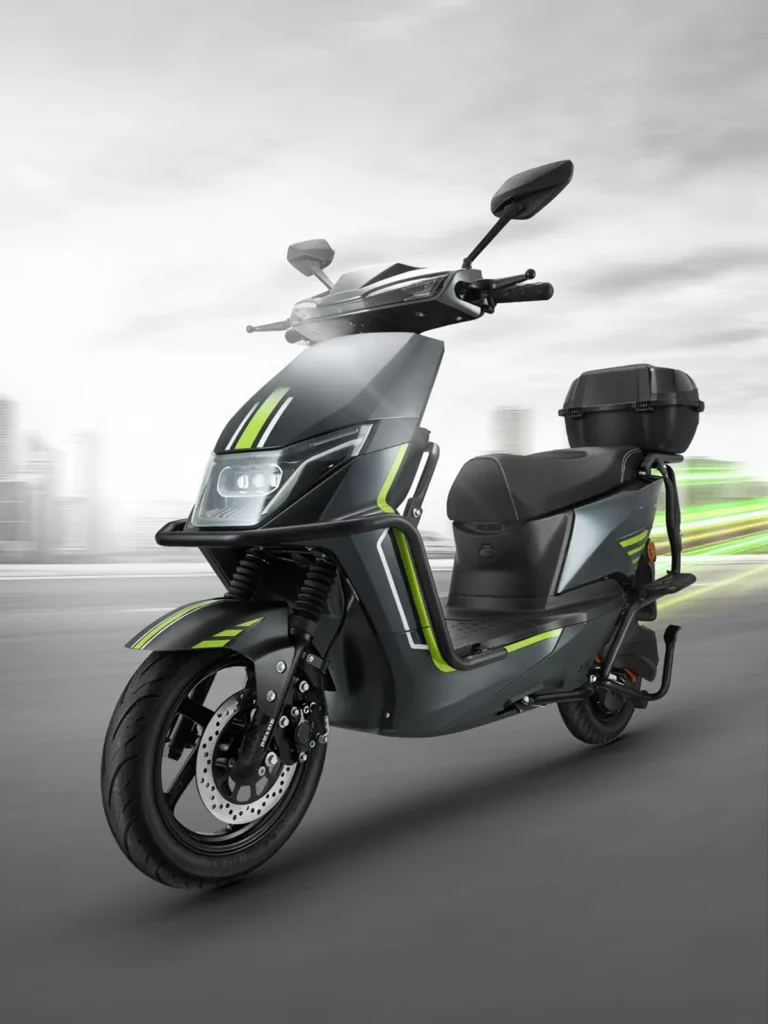
For decades, the standard 70cc petrol motorcycle reigned supreme across Pakistani roads. However, 2026 is proving to be a decisive turning point in the country’s automotive history. Driven by surging fuel prices, aggressive government electrification initiatives, and rapid technological upgrades, the transition toward electric two-wheelers has shifted from a slow burn into a full-scale boom.
At the forefront of this green revolution are emerging players like EVMO (evmo.pk), whose upcoming product launches symbolize the new wave of stylish, efficient, and cost-effective urban mobility options built for modern Pakistani commuters.
Key Factors Driving the 2026 EV Revolution
Several critical shifts converged in 2026 to make electric two-wheelers the most practical choice for daily travel:
1. Unprecedented Financial Savings
Riding a petrol motorcycle now presents a continuous financial strain on middle-class household budgets. In contrast, charging an electric bike using standard home electricity costs a small fraction of a liter of petrol. Over a year of daily commuting, riders save hundreds of thousands of rupees in operational expenses alone.
2. Government Backing & The PAVE Scheme
Policy support reached new heights in 2026 with the government’s Pakistan Accelerated Vehicle Electrification (PAVE) program under the New Energy Vehicle (NEV) Policy. By offering direct purchase subsidies (covering up to 20% of the price tag) and interest-free financing options via portals like pave.gov.pk, acquiring an electric bike has become significantly more accessible to average consumers.
3. Modern Infrastructure & Lithium Tech
Earlier electric bike experiments relied heavily on heavy lead-acid batteries with limited life cycles. In 2026, brands are utilizing lithium-ion and advanced battery management systems (BMS) that deliver faster charging, longer ranges (80–180 km per charge), and overall better durability under local weather conditions.